









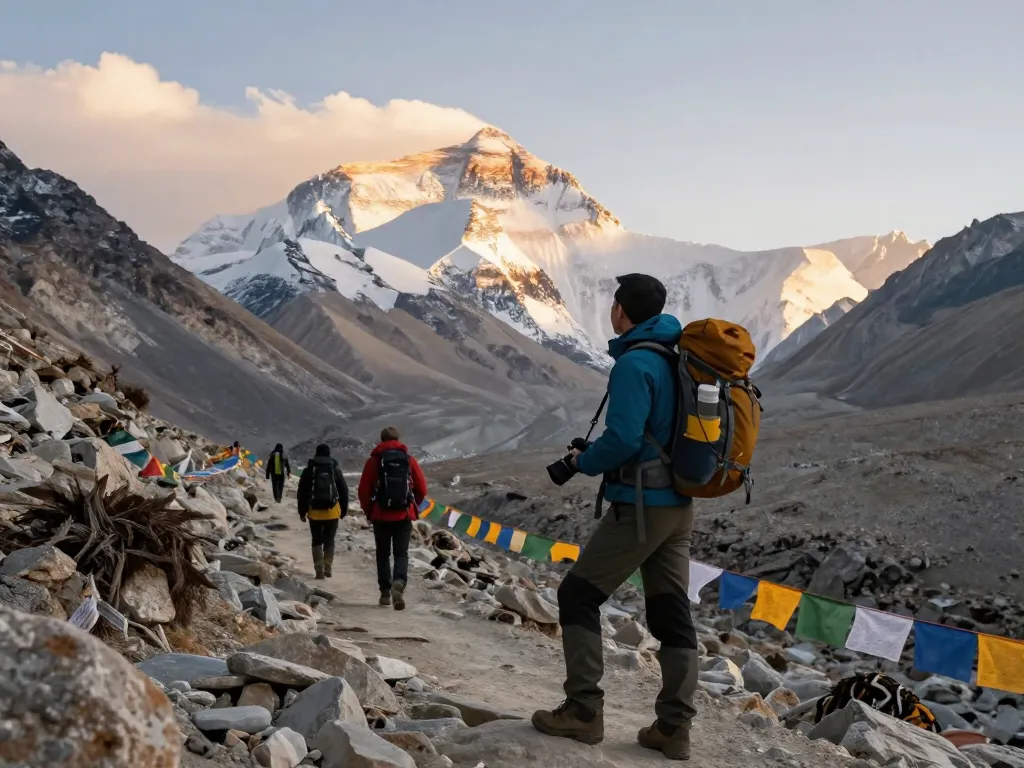
1. Introduction to the Everest Base Camp Trek
The Everest Base Camp Trek (EBC Trek) is not just a journey; it’s an adventure of a lifetime. Nestled in the majestic Himalayas, this trek takes you through breathtaking landscapes, vibrant Sherpa culture, and ultimately to the foot of the world’s highest peak, Mount Everest. Over the span of 14 days, trekkers will encounter stunning vistas, challenging terrains, and the thrill of high-altitude hiking. With Ace the Himalaya, you are not just signing up for a trek; you are preparing for an enriching experience that combines physical challenge with cultural immersion. When exploring options, Everest Base Camp Trek offers comprehensive insights into what to expect during this iconic adventure.
What is the Everest Base Camp Trek?
The Everest Base Camp Trek is one of the most celebrated trekking routes in the world, primarily because of its accessibility and the incredible views it offers. Starting from Lukla, the trek winds through picturesque villages, lush forests, and alpine meadows, culminating at Everest Base Camp, which sits at an elevation of 5,364 meters (17,598 feet). Each leg of the journey presents unique challenges and breathtaking scenery, making it suitable for both novice and experienced trekkers.
Key Highlights of the Trek
- Stunning views of the world’s highest peak, Mount Everest.
- Experience the rich Sherpa culture and hospitality in local villages.
- Acclimatize effectively in Namche Bazaar, the gateway to the Everest region.
- Visit iconic landmarks, such as the Tengboche Monastery.
- Unforgettable sunrise views from Kala Patthar.
Why Choose Ace the Himalaya for Your Journey?
Ace the Himalaya is renowned for its exceptional service and commitment to safety and sustainability. With years of experience leading treks in the Everest region, our knowledgeable guides provide invaluable insights while ensuring a memorable and safe trekking experience. Choosing us means you’re not just embarking on a trek; you’re joining a family that prioritizes your adventure and well-being.
2. Detailed Itinerary for the 14-Day Trek
Day-by-Day Breakdown
The 14-day itinerary is carefully crafted to ensure you experience the best of the Everest region while allowing for proper acclimatization. Here’s what to expect:
- Day 1: Arrival in Kathmandu and transfer to your hotel.
- Day 2: Fly from Kathmandu to Lukla and trek to Phakding.
- Day 3: Trek to Namche Bazaar.
- Day 4: Acclimatization day in Namche: hike to Hotel Everest View.
- Day 5: Trek to Tengboche.
- Day 6: Trek to Dingboche.
- Day 7: Acclimatization day: hike to Nangkartsang Peak.
- Day 8: Trek to Lobuche.
- Day 9: Trek to Everest Base Camp and return to Gorak Shep.
- Day 10: Hike to Kala Patthar for sunrise, then descend to Pheriche.
- Day 11: Trek to Namche Bazaar.
- Day 12: Trek to Lukla.
- Day 13: Fly back to Kathmandu.
- Day 14: Transfer to the airport for final departure.
Acclimatization and Its Importance
Acclimatization is crucial on high-altitude treks to prevent altitude sickness. The itinerary strategically includes acclimatization days, particularly in Namche Bazaar and Dingboche, where trekkers will have the chance to hike to higher altitudes and then return to lower elevations, allowing their bodies to adjust gradually to the changing atmosphere.
Key Stops and Attractions Along the Route
Along the trek, you will encounter numerous attractions. Namche Bazaar is known for its vibrant market and beautiful views, while Tengboche Monastery, perched on a hilltop, offers stunning vistas of the surrounding peaks and a glimpse into Sherpa culture. Each stop along the route provides a unique experience, making the journey to Base Camp as rewarding as reaching the destination itself.
3. Preparing for Your Everest Base Camp Adventure
Packing Essentials for the Trek
Proper packing is essential to facilitate a comfortable trek. Here’s a list of essentials:
- Warm clothing (layers are best).
- Durable trekking boots with good ankle support.
- Sleeping bag rated for -15°C (5°F).
- Personal medication and a first-aid kit.
- Water purification tablets or a water filter.
- Snacks for energy boosts on the trail.
Physical Fitness: Building Your Endurance
Physical fitness is crucial for a successful trek. It’s advisable to engage in cardiovascular exercises, strength training, and practice hiking on uneven terrain. Begin preparing at least 8 weeks prior to your trek, focusing on endurance and stamina to handle the daily challenges effectively.
Travel Insurance Requirements for High-Altitude Trekking
Travel insurance is mandatory for trekking in high altitudes. Ensure your policy covers medical evacuation and other emergencies related to altitude sickness. It’s vital to have insurance that allows you to seek help without incurring significant out-of-pocket expenses, should any unforeseen circumstances arise during your trek.
4. Understanding Costs and Inclusions
How Much Does the Everest Base Camp Trek Cost?
The cost of the Everest Base Camp Trek can vary depending on several factors, including the duration, trekking agency, and the services included. On average, expect to pay around $1,600 for a standard 14-day trek. This amount generally covers accommodation, local flights, meals, and a guide.
What’s Included in Your Trek Package?
Your trek package typically includes:
- Domestic flights from Kathmandu to Lukla and back.
- Accommodation in lodges/teahouses along the route.
- Three meals per day while on the trek.
- Qualified guide and porter services.
- Necessary permits for the trek.
Tips for Budgeting Extra Expenses During the Trek
While many essentials are covered in your trek package, it’s advisable to budget an additional $15 to $20 per day for personal expenses, such as snacks, drinks, and souvenirs. Having sufficient cash on hand is essential as credit cards are not widely accepted in remote areas.
5. Frequently Asked Questions About the Trek
What is the Best Time to Trek Everest Base Camp?
The best times to trek to Everest Base Camp are during the spring (March to May) and autumn (September to November) seasons. These months offer clearer skies, pleasant temperatures, and fewer crowds, making them ideal for trekking and enjoying stunning views of the Himalayas.
Can Beginners Successfully Complete the Trek?
Absolutely! With adequate preparation and a reasonable level of fitness, beginners can tackle the Everest Base Camp Trek. Our experienced guides are trained to support beginners and help you acclimatize effectively throughout the journey.
What Are the Risks of Altitude Sickness?
Altitude sickness is a serious concern for trekkers. Symptoms may include headaches, nausea, and fatigue. To mitigate risks, follow the acclimatization guidelines, stay hydrated, and communicate openly with your guide about any symptoms you experience.