





Understanding the Importance of Interior Decoration Services
In today’s competitive hospitality market, ensuring a unique and inviting atmosphere in resorts is crucial for attracting visitors. Interior decoration services play a pivotal role in transforming ordinary spaces into extraordinary experiences that resonate with guests long after their departure. By blending aesthetics with functionality, these services help create environments that not only appeal to the eye but also cater to the nuanced needs of travelers.
When exploring options, รับตกแต่งภายใน can provide comprehensive insights into how design can enhance guest experiences. These services involve careful planning and consideration of various elements, ensuring that each corner of a resort reflects its identity and ethos.
What are Interior Decoration Services?
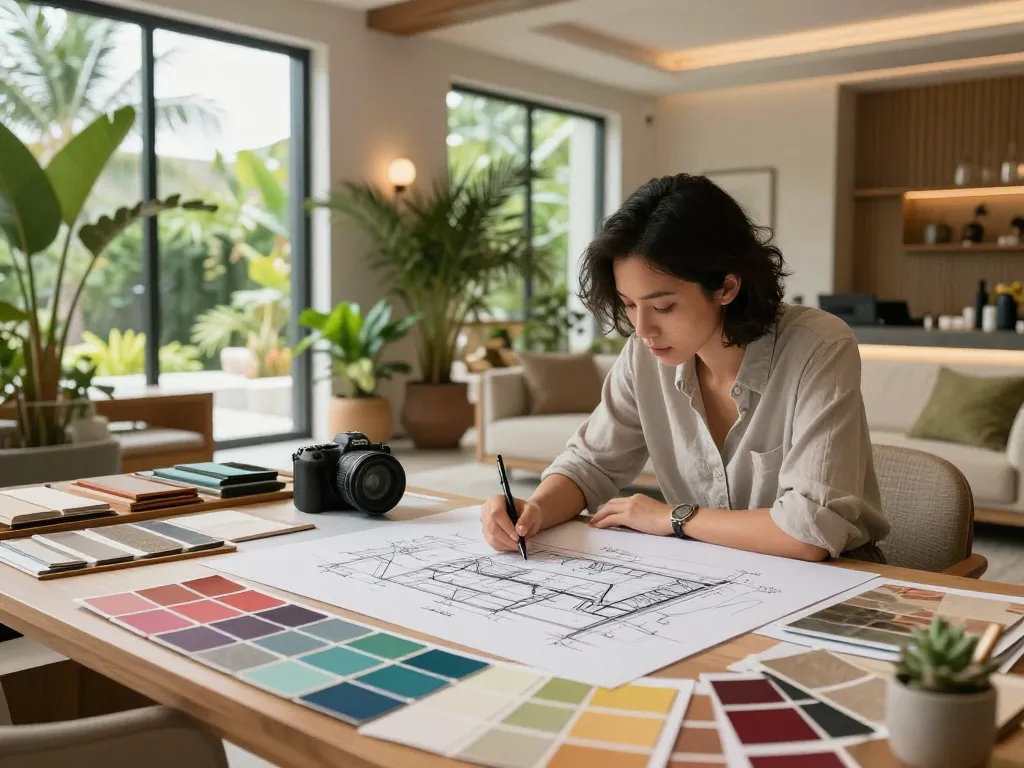
Interior decoration services encompass a broad range of activities aimed at enhancing the aesthetic appeal and functionality of spaces. This includes selecting color palettes, furniture, lighting, and decorative elements that align with the resort’s theme and mission. Importantly, these services also focus on optimizing the spatial arrangement to facilitate smooth guest flow and interaction.
The Role of Aesthetics in Resort Design
Aesthetics significantly influence guests’ perceptions and experiences. A well-thought-out design can evoke emotions and create lasting memories. For instance, incorporating local art and cultural elements not only beautifies the space but also connects guests to the region, enhancing their overall experience.
Key Benefits of Professional Interior Services
- Enhanced Guest Satisfaction: Thoughtfully designed interiors cater to guests’ desires for comfort and style, leading to higher satisfaction rates.
- Increased Brand Identity: Unique interiors can strengthen a resort’s brand identity, making it memorable and distinctive.
- Improved Functionality: Professional designers ensure that spaces are not only beautiful but also practical, enhancing the overall functionality of the resort.
Core Elements of Effective Resort Interior Design
Master Planning and Zoning for Guest Experience
Effective master planning is essential in resort design. It involves spatial zoning, which dictates how different areas of the resort interact and connect with each other. For instance, strategically placing wellness facilities close to natural settings can enhance relaxation experiences, while locating dining areas near scenic views can elevate meal times into memorable events.
Choosing the Right Materials and Color Schemes
The choice of materials and colors can dramatically influence the ambiance of a resort. Natural materials such as wood, stone, and bamboo are often preferred for their organic feel and sustainability. Coupled with a harmonious color scheme that reflects the local environment, these choices can create a serene and inviting atmosphere.
Integrating Lighting for Ambiance and Functionality
Lighting is a crucial element in interior design, impacting not just aesthetics but also functionality. Natural light should be maximized in common areas while softer, mood-enhancing lighting can be utilized in dining and relaxation zones to create a warm atmosphere that encourages social interaction.
Customization in Interior Decoration Services
Personalizing Spaces for Diverse Traveler Needs
Understanding that today’s travelers have varied preferences is vital. Customization allows resorts to cater to specific groups, whether they are families seeking comfort, couples looking for romantic settings, or wellness enthusiasts desiring tranquility. Tailoring spaces and services to these needs can significantly enhance guest experiences and foster loyalty.
Innovative Design Concepts to Stand Out
Innovation in design can make a resort stand out. Utilizing unique architectural features, incorporating cutting-edge technology, or creating themed areas can set a resort apart from its competitors. This could mean offering treehouse-style lodging or creating immersive environments that reflect local flora and fauna.
Case Studies of Unique Resort Interiors
Examining successful case studies can provide insights into effective interior design strategies. For example, the use of biophilic design principles, which emphasize the integration of nature into building design, has been shown to enhance guest satisfaction and well-being.
Sustainable Practices in Interior Decoration
The Importance of Eco-Friendly Materials
As sustainability becomes a priority for many travelers, the use of eco-friendly materials in interior design is increasingly vital. This might include recycled or upcycled materials and low-VOC paints that contribute to a healthier indoor environment.
Designing with Nature in Mind
Designing with nature in mind allows resorts to minimize their environmental impact while offering guests a deeper connection to the surrounding landscape. Features such as green roofs or living walls not only enhance aesthetics but also promote biodiversity.
Trends in Sustainable Resort Designs for 2026
Looking ahead, expect to see an increase in resorts incorporating renewable energy sources, such as solar panels and geothermal heating, into their designs. Additionally, there will likely be a focus on waste reduction and water conservation through thoughtful design choices that align with sustainable practices.
Future Trends in Interior Decoration Services for Resorts
Emerging Technologies in Interior Design
Emerging technologies, such as virtual reality (VR) and augmented reality (AR), are set to revolutionize interior decoration. These tools can offer clients immersive experiences of proposed designs, enabling more informed decisions and enhancing collaboration between designers and clients.
Adaptation to Changing Traveler Preferences
As traveler preferences evolve, so must resort designs. Trends toward minimalism, wellness, and experiential travel are shaping how spaces are envisioned and utilized, pushing designers to be more innovative and responsive to guests’ desires.
Forecasting Design Innovations for 2027 and Beyond
Looking to the future, resorts will likely embrace more fluid spaces that can transform based on needs. Multi-purpose areas and flexible furnishings will allow for greater adaptability, creating dynamic environments that can cater to different activities throughout the day.
What is included in full-service interior decoration?
Full-service interior decoration includes comprehensive services that cover every aspect of the design process, from conceptualization to implementation. This typically involves space planning, material selection, furnishing, and ongoing support post-installation.
How to choose an interior decorator for my resort?
When selecting an interior decorator, consider their portfolio, experience in hospitality design, and ability to understand your vision. It’s important that the decorator aligns with your resort’s ethos and can offer creative solutions tailored to your brand.
What current trends should I consider for resort interior design?
Current trends in resort interior design include a focus on sustainability, personalized guest experiences, and the integration of technology. Additionally, trends towards wellness and minimalist aesthetics are also gaining traction.
What are the costs associated with interior decoration services?
The costs associated with interior decoration services can vary widely based on project scope, the complexity of the design, and the designer’s expertise. It’s essential to outline your budget beforehand and discuss it during initial consultations to ensure alignment.
How can I create a sustainable resort design?
Creating a sustainable resort design involves selecting eco-friendly materials, incorporating energy-efficient systems, and designing with nature in mind. Engaging with experienced designers who specialize in sustainable practices can help realize these goals effectively.