Understanding GRP: The Basics of Glass Reinforced Plastic
Glass Reinforced Plastic (GRP), also known as fiberglass, is a robust composite material widely utilized in various industries due to its unique combination of beneficial properties. GRP consists of a polymer matrix reinforced with glass fibers, resulting in a lightweight yet strong material that offers excellent resistance to corrosion, chemicals, and weather elements. This inherent strength-to-weight ratio and durability make GRP an ideal material for applications ranging from construction to marine and aerospace industries. When exploring options, GRP Manufacturer provides comprehensive insights into the extensive range of GRP products and their applications.
What is GRP and Its Composition?
GRP is essentially a composite material that combines glass fibers and a resin to form a solid structure. The composition generally includes thermosetting resins like polyester, vinylester, or epoxy, which are combined with glass fibers to provide reinforcement. The manufacturing process typically involves methods such as hand lay-up, spray-up, or pultrusion, depending on the desired product characteristics. The glass fibers provide tensile strength, while the resin offers flexibility and chemical resistance, making GRP an optimal choice for a multitude of applications.
Key Benefits of Using GRP in Manufacturing
- Corrosion Resistance: GRP is naturally resistant to corrosion, making it suitable for use in harsh environments where metals or timber would degrade.
- Lightweight: It is significantly lighter than traditional materials, allowing for easier handling and installation.
- Low Maintenance: GRP requires minimal upkeep compared to its metal counterparts, significantly reducing long-term costs.
- Versatility: With customizable properties, GRP can be engineered for specific applications — whether that be in structural, aesthetic, or functional roles.
- Thermal Insulation: GRP has low thermal conductivity, making it ideal for applications that require insulation.
Comparative Analysis: GRP vs. Traditional Materials
When comparing GRP with traditional materials like steel and aluminum, several factors come into play:
- Weight: GRP is approximately 70% lighter than steel, meaning less structural support is needed during installation.
- Cost-Efficiency: Although the initial costs may seem similar, the lifecycle costs for GRP are significantly lower due to reduced maintenance needs.
- Durability: GRP does not rust or corrode, making it a long-lasting alternative for outdoor applications.
- Electrical Insulation: GRP is non-conductive, which is particularly useful in electrical and telecommunications applications.
Innovative Manufacturing Processes in GRP Production
The production of GRP has evolved alongside technological advancements, enabling manufacturers to create high-quality products that meet diverse industry needs efficiently.
Modern Techniques for GRP Product Fabrication
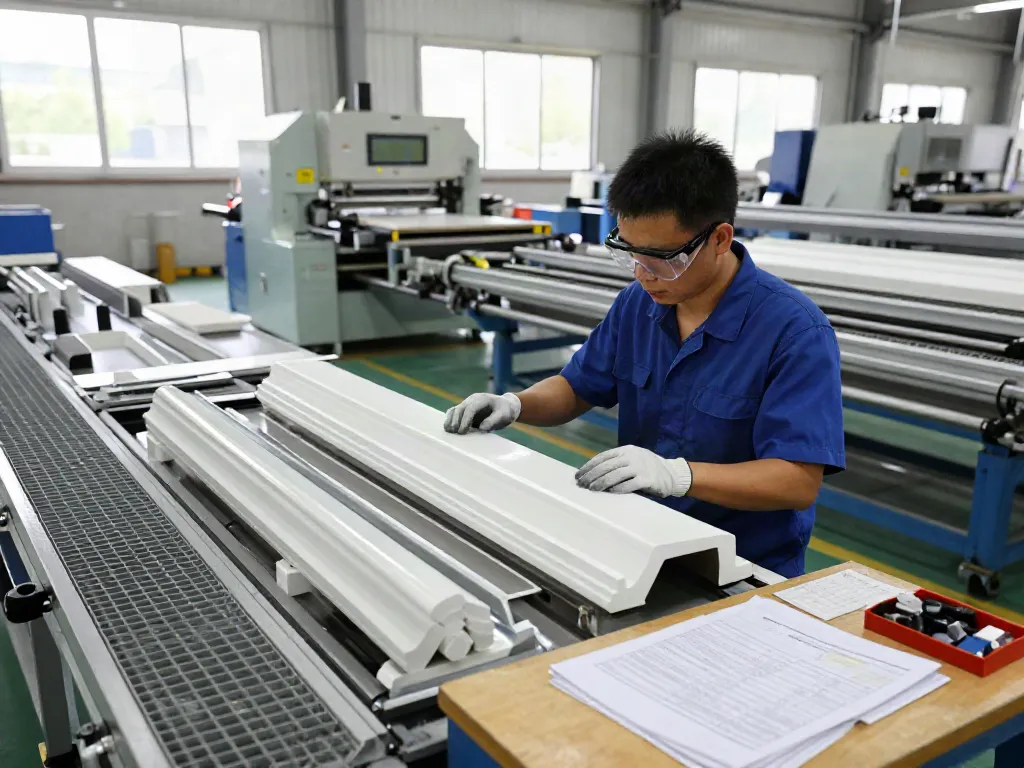
Modern fabrication techniques have enhanced the precision and quality of GRP products. Techniques such as resin transfer molding (RTM) allow for cleaner processes with less waste. In RTM, the resin is injected into a closed mold containing the dry glass fibers, ensuring thorough saturation and uniformity. This method not only speeds up production but also improves the structural integrity of the finished product.
Quality Control Measures in GRP Manufacturing
Quality is paramount in GRP manufacturing. Manufacturers like Engineered Composites adopt stringent quality control measures, including sampling and testing at various stages of production. Each batch of GRP is tested for tensile strength, impact resistance, and fire performance according to industry standards, ensuring that all products meet or exceed the relevant safety and quality benchmarks.
Technologies Driving GRP Production Efficiency
Emerging technologies like 3D printing and advanced computer-aided design (CAD) are also reshaping GRP production. These technologies allow for rapid prototyping and the ability to create complex shapes that were previously difficult to manufacture. By integrating these advanced processes, GRP manufacturers can respond more quickly to market demands while maintaining high standards of quality.
GRP Applications Across Various Industries
GRP is a versatile material applicable in numerous sectors, each benefiting from its unique properties.
Construction: Why GRP is a Game Changer
In the construction industry, GRP is increasingly utilized for its lightweight and corrosion-resistant properties. It is commonly used for:
- Structural Elements: GRP profiles and beams are used in various structural applications, providing excellent load-bearing capabilities.
- Safety Features: GRP grating and handrails improve site safety with anti-slip surfaces and high visibility.
- Architectural Components: Custom GRP facades and aesthetic panels enhance visual appeal while remaining functional.
Marine and Offshore Applications of GRP
The marine industry benefits significantly from GRP due to its resistance to saltwater and UV radiation. Typical applications include:
- Boat Hulls: GRP is widely used in boat hull construction due to its lightweight and durable nature.
- Decking and Platforms: GRP walkways and decking solutions provide safe, non-slip surfaces that withstand harsh marine conditions.
Electronics and Telecommunications: GRP's Role
In the electronics sector, GRP is employed for enclosures and supports, acting as an insulator that protects sensitive components from electromagnetic interference and environmental damage.
Regulatory Compliance and Safety Standards for GRP Products
For GRP products to be successfully utilized across various industries, adherence to stringent regulatory standards is essential.
Adhering to UK Building Regulations with GRP
In the UK, GRP products must comply with specific building regulations, including standards set forth by the British Standards Institution (BSI). These regulations ensure that GRP products provide adequate safety and performance in construction projects.
Fire Safety Standards and GRP Performance
Fire safety is a critical aspect of GRP manufacturing. Products are tested for fire resistance and must meet regulatory requirements, such as BS 476 Part 7 for fire classification. This ensures that GRP products can be safely used in environments where fire performance is paramount.
Environmental Regulations for Sustainable GRP Manufacturing
With increasing focus on sustainability, GRP manufacturers are now required to comply with environmental regulations that promote recycling and reduced carbon footprints. This includes consideration of materials used in production as well as processes that minimize waste.
Future Trends and Innovations in GRP Manufacturing
The future of GRP manufacturing is set to be shaped by ongoing innovations and market demands.
Emerging Technologies in GRP Production for 2026
As we look toward 2026, innovations in automation and smart manufacturing are expected to enhance the efficiency and capabilities of GRP production. Automated processes can lead to reduced labor costs and improved accuracy, paving the way for more complex and customized GRP products.
Sustainability and the Circular Economy in GRP
Awareness around sustainability will likely drive the GRP industry to explore more sustainable practices. This includes increasing the use of recycled materials and implementing processes that allow for repurposing GRP at the end of its life cycle.
Market Opportunities and Challenges for GRP Manufacturers
As sectors like construction and utilities expand their use of composite materials, GRP manufacturers face both opportunities and challenges. While demand for lightweight and durable materials is increasing, manufacturers must also navigate market pressures such as raw material costs and competition from alternative materials.
What are the main advantages of GRP over steel and aluminium?
GRP’s advantages over steel and aluminum include its lightweight nature, corrosion resistance, and minimal maintenance requirements, making it an appealing option in various applications.
Are GRP products suitable for outdoor use?
Yes, GRP products are specifically designed for outdoor use, with UV stabilization and superior resistance to environmental factors ensuring longevity in outdoor applications.
How do I get a quotation from a GRP manufacturer?
To obtain a quotation from a GRP manufacturer like Engineered Composites, you can contact their sales team via phone or through their online enquiry form for a quick, no-obligation quote.