





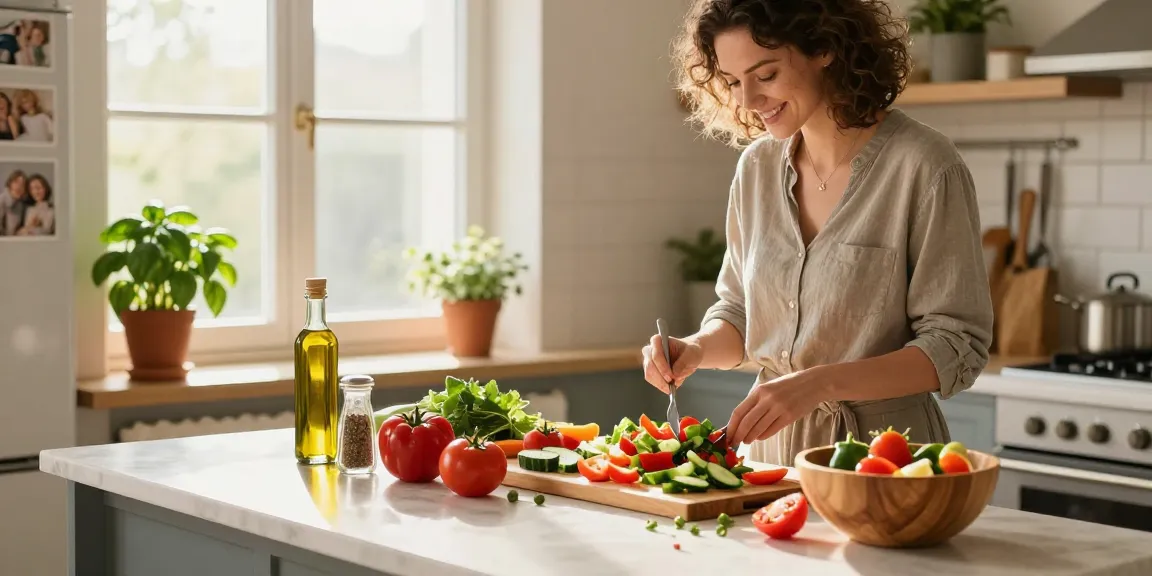
Understanding the Basics of Home Cooking
Home cooking is more than just a necessity; it’s an art that fosters creativity and community. Whether you are a novice looking to whip up quick meals or an aspiring chef seeking to refine your skills, understanding the fundamentals of cooking is essential. The joy of preparing meals at home lies in the opportunity to experiment with flavors, techniques, and ingredients, all while creating comforting dishes that nourish both body and soul. When exploring options, see more details about how to embark on this culinary adventure.
What You Need to Get Started in the Kitchen
To begin your cooking journey, it’s crucial to establish a functional kitchen environment. This involves more than just having a stove and oven; consider your space, tools, and pantry essentials.
- Space: Choose an area in your home that you can dedicate to cooking. It should be well-lit and free from distractions.
- Basic Ingredients: Stock your pantry with staples such as rice, pasta, canned tomatoes, beans, spices, and oils.
- Cooking Methods: Familiarize yourself with various cooking techniques such as boiling, sautéing, roasting, and grilling.
Key Cooking Techniques for Beginners
Cooking is a skill that improves with practice. Here are fundamental techniques to master:
- Sautéing: Quickly cooking food in a small amount of oil over high heat.
- Boiling: Cooking food in water or broth at high heat, ideal for pasta and vegetables.
- Baking: Using dry heat in an oven to cook food, commonly used for bread, pastries, and casseroles.
Essential Kitchen Tools and Equipment
Investing in the right tools can elevate your cooking experience. Essential tools include:
- Chef’s Knife: A versatile knife for chopping, slicing, and dicing.
- Cutting Board: A sturdy surface to protect your countertops and your knives.
- Measuring Cups and Spoons: Essential for precise cooking and baking.
- Non-Stick Skillet: Great for browning and sautéing without sticking.
Choosing Fresh Ingredients
Quality ingredients can make or break a recipe. Understanding how to select fresh produce and other ingredients is a skill every home cook should develop. Knowing where to source high-quality ingredients is equally vital.
How to Select High-Quality Produce
When shopping for produce, look for bright colors, firmness, and seasonal availability:
- Color: Vibrant fruits and vegetables are typically fresher and more flavorful.
- Firmness: Fresh produce should feel firm to the touch, not soft or bruised.
- Seasonality: Learning when fruits and vegetables are in season will ensure better taste and lower prices.
Understanding Seasonality and Flavor Profiles
Different ingredients thrive in various seasons. For instance, root vegetables are abundant in winter, while berries and stone fruits peak in summer. Understanding these seasonal shifts allows you to cook with optimal flavor and freshness.
Benefits of Organic vs. Conventional Ingredients
The debate between organic and conventional products is ongoing. Organic ingredients are often seen as healthier due to the absence of synthetic pesticides and fertilizers. However, conventional produce can be more affordable and accessible. Prioritize what works best for your health and budget.
Recipes to Kickstart Your Cooking Journey
Starting with simple and approachable recipes can build your confidence in the kitchen. These beginner-friendly meals require minimal ingredients and effort, perfect for busy weeknights or casual lunches.
Simple Salads for Everyday Meals
Salads can be incredibly versatile and satisfying. Here are a few ideas:
- Classic Caesar Salad: Romaine lettuce, croutons, parmesan, and Caesar dressing.
- Greek Salad: Tomatoes, cucumbers, olives, feta cheese, and olive oil.
- Chickpea Salad: Chickpeas, bell peppers, onion, and a lemon vinaigrette.
Easy One-Pot Dinners for Busy Weeknights
One-pot meals simplify cooking and cleanup. Here are a few recipes:
- Vegetable Stir-Fry: Toss seasonal vegetables in a hot skillet with soy sauce and serve over rice.
- Chicken and Rice: Sauté chicken and onions, add rice, broth, and simmer until cooked.
- Pasta Primavera: Cook pasta and sauté mixed vegetables in olive oil, then combine.
Quick and Healthy Snacks to Try at Home
Snacking doesn’t have to be unhealthy. Here are some quick ideas:
- Hummus and Veggies: Enjoy fresh vegetable sticks with hummus.
- Yogurt Parfait: Layer yogurt with granola and fruit for a healthy treat.
- Nuts and Seeds: A handful of mixed nuts provides protein and healthy fats.
Building Confidence in the Kitchen
While every cook makes mistakes, overcoming challenges is key to becoming proficient in the kitchen. Knowing how to navigate common pitfalls will help you grow.
Common Mistakes New Cooks Make
Identifying and addressing common cooking errors can boost your confidence:
- Not Reading Recipes Thoroughly: Always read through a recipe before starting to avoid surprises.
- Overcrowding Pans: This can lead to steaming instead of browning foods.
- Ignoring Ingredient Temperatures: Using cold ingredients in a warm dish can disrupt cooking times.
How to Feel Comfortable Experimenting with Flavors
Feeling comfortable to experiment comes with time. Start by:
- Trying new spices and herbs in familiar recipes.
- Adjusting ingredient proportions to suit your taste.
- Exploring international cuisines for new inspirations.
Ways to Overcome Cooking Anxiety
Cooking anxiety is common among new chefs. Here are some strategies to ease your worries:
- Practice mindfulness while cooking by focusing on the ingredients and process.
- Cook with friends or family to create a supportive environment.
- Keep preparing simple, familiar meals to build your confidence.
Exploring Culinary Trends and Innovations
The culinary world is always evolving. Staying informed about new trends can inspire your cooking habits. Here are some key trends to watch for in 2026.
What’s New in Healthy Cooking for 2026?
Healthy cooking is continually evolving to embrace sustainable practices:
- Plant-Based Focus: More recipes now emphasize plant-based ingredients.
- Fermented Foods: Incorporating fermented foods for gut health is gaining popularity.
- Meal Planning Apps: Technology assists in tracking nutritional goals and simplifying menu planning.
Popular Cooking Styles to Explore
Diverse culinary styles allow cook enthusiasts to branch out:
- Molecular Gastronomy: Using science to transform flavors and textures.
- Fusion Cuisine: Blending elements from different cultures to create new dishes.
- Slow Cooking: Emphasizing the flavors that develop over longer cooking times.
How Technology is Changing Home Cooking
Technology is increasingly integrated into the culinary experience:
- Smart Appliances: Devices that connect to apps for precise cooking.
- Online Cooking Classes: Offering opportunities to learn from chefs worldwide.
- Recipe Apps: Providing customizable meal plans at our fingertips.
What Are Meal Kits and Do They Help?
Meal kits offer convenience but come with both pros and cons:
- Pros: Pre-portioned ingredients save time and reduce food waste.
- Cons: Some kits can be more expensive than shopping for ingredients yourself.
How Can You Incorporate Meal Prep into Your Routine?
Meal prepping can streamline your week by having meals ready to go. Consider these tips:
- Plan your meals ahead of time to use ingredients efficiently.
- Cook in bulk and divide portions to reduce daily cooking time.
- Store meals in clear containers for easy access.